.svg)
UK households lose £688 million a year to forgotten subscriptions
Discover how AI is transforming the legal landscape and what it means for your practice.




Introduction
Auto-renewals, free trials you forgot, and services you stopped using. The silent drain on your bank account is bigger than you think.
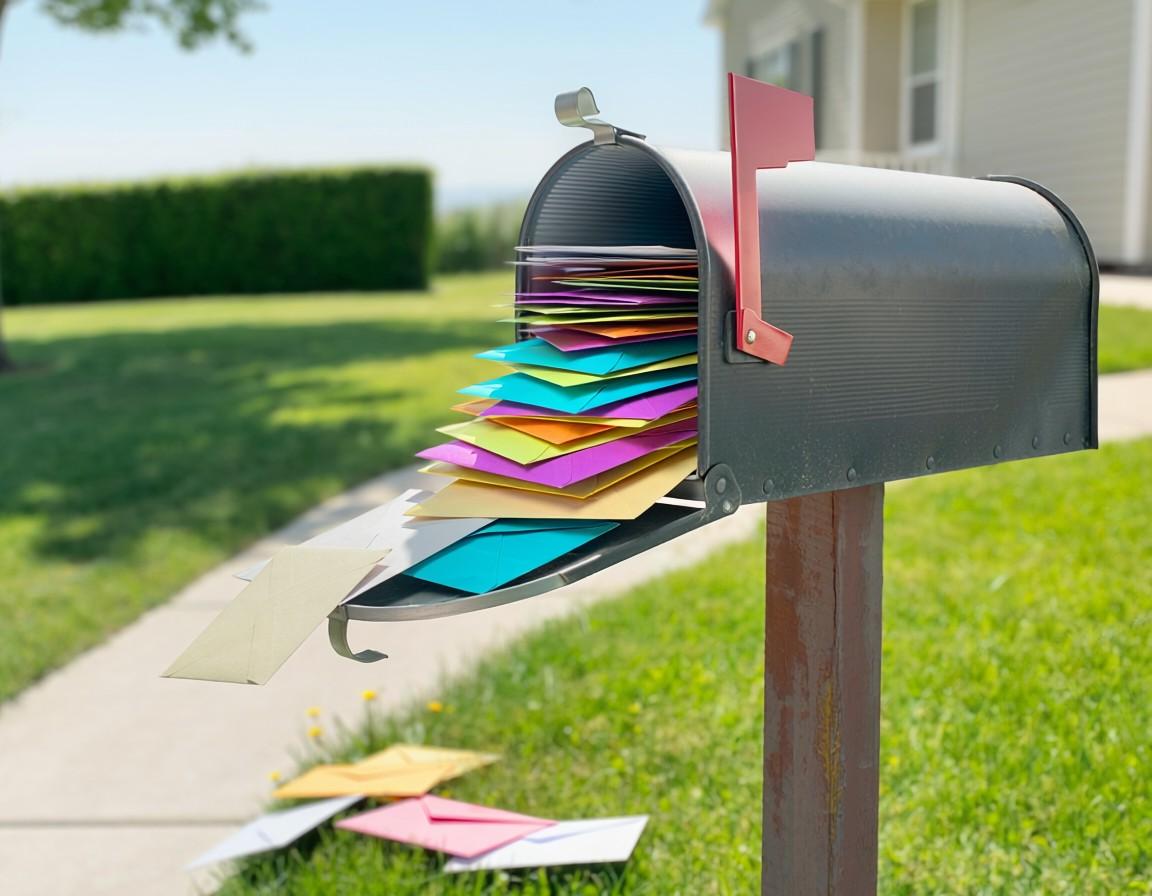
How to cancel unwanted subscriptions UK.
Somewhere in your bank account, right now, there’s a payment going out every month for something you don’t use. Maybe it’s a streaming service you signed up for during lockdown. A gym you stopped visiting in March. A software trial that converted to a paid plan without you noticing.A magazine subscription from two years ago.
You’re not alone. And you’re not careless. You’re the target of a business model that’s specifically designed to keep charging you after you’ve stopped paying attention. It works so well that across the UK, itdrains £688 million from consumers every single year.
This article breaks down exactly how the subscription trap works, how much it’s really costing you, and most importantly how to find and stop every payment you don’t want.
UK consumers lose £688 million per year to unused subscriptions and auto-renewals, according to 2024 research by Citizens Advice and Opinium. Of the 13 million Brits who accidentally signed up for services, 40% said the contract renewed automatically without their knowledge, and 39% were caught by free trials they forgot to cancel.
How Big Is the Subscription Problem in the UK?
The numbers are staggering and they’re getting worse every year.
£688 million per year: The total cost of unused subscriptions and auto-renewals to UK consumers, according to Citizens Advice (2024). This figure has more than doubled from £306 million recorded in 2022
13 million people: The number of UK adults who accidentally took out a subscription they didn’t want (Citizens Advice, 2024)
4.7 million people: Currently paying for a subscription they didn’t ask for or didn’t know they had (National Trading Standards, December 2025)
£786 per year: The average Brit spends on subscriptions annually (Aqua, 2025). Younger demographics spend upwards of £300 per month on recurring services (Visa study)
20 million adults: Have signed up for a subscription without even realising it (National Trading Standards, late 2025)
54% of UK adults: Have actively decided against signing up for a service due to concerns about how difficult it would be to cancel (CitizensAdvice)
The problem isn’t that people are irresponsible. It’s that the system is designed to make ongoing payment the path of least resistance and cancellation the path of maximum friction.
The UK subscription trap is growing rapidly. Citizens Advice reported £688 million lost in 2024, up from £306 million in 2022. National Trading Standards found 4.7 million Brits paying for subscriptions they didn’t ask for. 54% of adults avoid signing up for services entirely due to cancellation fears.
How Does the Auto-Renewal Trap Actually Work?
Auto-renewal isn’t accidental. It’s a deliberately designed business model. Here’s how companies keep you paying.
The FreeTrial Funnel
Sign up for a “free” trial with your card details. Thetrial period is typically 7 or 14 days short enough that most people forget.When it ends, your card is charged automatically. No confirmation email. No“are you sure?” prompt. The company counts on you not noticing the first charge because once you miss it, inertia keeps you paying.
TheQuiet Renewal
Your annual insurance, broadband, or phone contract reaches its end date. Instead of ending, it “rolls over” into a new term often at a higher price. The renewal notification is buried in an email you didn’t open, or sent as a letter you threw away with the junk mail. By the time you notice, you’re locked into new terms.
TheCancellation Maze
You decide to cancel. The company makes it as difficult as possible. Online-only signup but phone-only cancellation. Long hold times.Aggressive retention scripts. Cancellation buried five clicks deep in settings.Some companies require written notice sent by post during a specific window.Miss the window and you’re locked in for another year.
ThePrice Creep
Your monthly charge increases by a small amount £1 or£2 every few months. Each increase is small enough that you don’t notice ordon’t bother acting. Over two years, a £9.99/month service becomes£14.99/month. You’re paying 50% more than you signed up for.
TheBundle Trap
You signed up for one service but the subscription includes several you didn’t ask for. A phone contract with insurance you didn’t want. A broadband deal with a TV package you never watch. A gym membership with a “premium” tier that auto-upgraded after the first month.
The auto-renewal trap uses five mechanisms: free trial conversion (charging after short trial periods), quiet renewal (rolling contracts at higher rates), cancellation friction (deliberately difficult exit processes), price creep (small incremental increases), and bundle traps (unwanted additions to core services). Each is designed to exploit inertia and make continued payment the easiest option.
How Much Are You Personally Losing?
Most people underestimate their subscription spending by2–3x. Here’s a quick way to calculate your actual exposure.
Step 1: Check Your Bank Statements
Go through the last three months of bank and credit card statements. Highlight every recurring payment: direct debits, standing orders, and card charges that appear monthly or annually. Include everything streaming, gym, insurance, broadband, phone, software, apps, magazines, delivery services, cloud storage, and memberships.
Step 2: Categorise Each Payment
Actively using: Services you use regularly and want to keep
Occasionally using: Services you use sometimes but could live without
Not using: Services you haven’t used in the last 30 days
Didn’t know about: Charges you don’t recognise or forgot you had
Step 3: Add Up the “Not Using” and “Didn’t Know” Categories
This is your subscription waste. For the average UK household, this number is between £30 and £80 per month or £360 to £960 per year. Some households discover they’re losing significantly more.
Step 4: Check Annual Subscriptions Too
Some subscriptions charge annually and are easy to missin monthly reviews. Insurance auto-renewals, annual software licences, and yearly memberships can add hundreds to your total. Check for charges in thelast 12 months that aren’t monthly.
Research shows consumers underestimate their subscription spending by 2–3x. A C+R Research study found consumers guess they spend about £86/month on subscriptions when the actual average is £273/month. A three-month bank statement audit typically reveals £30–£80/month in unused recurring payments per UK household.
The Most Common Subscriptions People ForgetThey’re Paying For
Based on consumer research and complaint data, these are the subscriptions that catch people most often.
Streaming services: Free trials that converted. Second or third services signed up for one show and never cancelled. Password-sharing plans that are no longer shared
Gym and fitness memberships: Signed up in January, stopped going in March, paying until December. Many gym contracts have 30-day written cancellation notice requirements
App subscriptions: In-app upgrades on phones. Premium tiers of free apps. Productivity tools trialled once. These often charge through Apple or Google, making them harder to spot on bank statements
Insurance add-ons: Breakdown cover, gadget insurance, travel insurance, and phone insurance added at point of sale and forgotten. These often auto-renew annually
Software and cloud storage: Premium tiers of cloud storage, design tools, VPN services, and password managers. Many offer free tiers you may be paying for features you don’t use
News and magazine subscriptions: Signed up to read one article behind a paywall. Introductory rates that quietly doubled after the first month
Delivery and membership services: Amazon Prime, food delivery passes, and priority memberships with annual renewal you forget about
Old broadband or phone contracts: You switched providers but the old contract kept charging via a different payment method. More common than you’d think
The most commonly forgotten UK subscriptions include streaming services (free trial conversions), gym memberships (January signups forgotten by March), app subscriptions (in-app purchases via Apple/Google), insurance add-ons (point-of-sale additions), software premium tiers, news paywalls with introductory rates, delivery memberships, and old provider contracts that continued charging after switching.
How to Cancel Subscriptions You Don’t Want
Once you’ve identified what to cancel, here’s how to actually do it including when companies make it deliberately difficult.
Check the Cancellation Terms First
Every subscription has cancellation rules buried in its terms. Some require 30 days’ written notice. Some only accept cancellation by phone. Some have a cancellation window miss it and you’re locked in for another term. Upload the subscription terms to Binding Docs and it will extract the exact cancellation requirements automatically.
Use the Cooling-Off Period If It’s Recent
If you signed up online or by phone within the last 14days, you have a right to cancel under the Consumer Contracts Regulations 2013 no questions asked, full refund. This applies to most distance purchases in the UK.
Cancel in Writing and Keep Proof
Even if the company says phone cancellation is fine, always follow up in writing (email) and keep a copy. If a dispute arises later, you need proof that you cancelled and when. Binding Docs can draft cancellation letters that meet the specific requirements of each contract.
Cancel the Payment Method as a Last Resort
If a company refuses to process your cancellation or continues charging after you’ve cancelled, contact your bank to cancel the direct debit or recurring card payment. Under the Direct Debit Guarantee, your bank must process your cancellation request. Note: cancelling the payment doesn’t cancel the contract always cancel with the provider first.
Use Your Right to Exit After Price Increases
If a provider increases your price mid-contract above therate specified in your original terms, you may have the right to leavepenalty-free. This applies to many broadband, phone, and energy contracts.Check whether the increase exceeds what was stated in the contract BindingDocs flags this automatically when you upload the document.
To cancel unwanted subscriptions: check cancellation terms first (notice period, method, window), use the 14-day cooling-off period for recent online signups, always cancel in writing and keep proof, contact your bank to stop payments as a last resort, and exercise your right to exit penalty-free after price increases that exceed contractual terms.
How to Prevent the Problem From Happening Again
Cancelling existing waste is step one. Preventing new waste is what saves you money long-term.
Track Every Subscription in One Place
The reason subscriptions go forgotten is because they’re invisible. They charge in the background and you never see them unless you audit your bank statements. Binding Docs imports and tracks every subscription and recurring agreement in one dashboard with renewal dates, cancellation deadlines, and cost summaries visible at a glance.
Set Reminders Before Renewal Dates
Every subscription has a renewal date. If you know it in advance, you can decide whether to keep, switch, or cancel before the charge hits. Binding Docs sets Smart Reminders automatically alerting you days or weeks before any subscription renews. No manual calendar entries required.
Use a Dedicated Email for Subscriptions
Create a separate email address for all subscription signups. This keeps confirmation emails and renewal notices in one place instead of buried in your main inbox. It also makes it easier to audit what you’re signed up for.
Review Free Trials Immediately
The moment you sign up for a free trial, set a reminder for 2 days before it ends. Decide then whether to keep it or cancel. Don’t wait until you see the charge. On Binding Docs, free trial end dates are detected and reminded automatically.
Do a Subscription Audit Twice a Year
Set a calendar reminder for January and July. Spend 10minutes reviewing every recurring payment. This single habit catches creeping costs before they accumulate.
Preventing subscription waste requires: centralising all subscriptions in one trackable system, setting automatic reminders before renewal dates, using a dedicated email for signups, reviewing free trials before they convert, and conducting a full subscription audit twice per year. Platforms like Binding Docs automate subscription tracking and renewal reminders.
How Binding Docs Helps You Take Control ofSubscriptions
Binding Docs isn’t a subscription cancellation service it’s a document intelligence platform that makes subscription waste visible and preventable.
Import subscription documents: Connect your email andBinding Docs automatically detects and imports subscription confirmations, terms, and renewal notices
Extract key dates: Renewal dates, cancellation deadlines, and free trial end dates are extracted from the document content automatically
Smart Reminders: You’re alerted before any subscription renews with enough time to cancel, switch, or renegotiate
Cancellation terms at a glance: Binding Docs reads the contract and tells you exactly how to cancel: notice period, method, window, and any penalties
Price tracking: See what you’re paying across all subscriptions and spot price increases that weren’t in the original terms
Market comparison: For insurance, broadband, and energy subscriptions, Binding Docs compares your current rate against market alternatives and shows you if there’s a better deal
Binding Docs tackles subscription waste by automatically importing subscription documents from email, extracting renewal dates and cancellation terms, setting Smart Reminders before renewals, tracking price changes, and comparing rates against market alternatives making hidden costs visible and preventable.
Conclusion
The subscription economy isn’t going away. More of your daily life will run on recurring payments, not less. The question isn’t how to avoid subscriptions — it’s how to stay in control of them. That starts with visibility. You can’t cancel what you can’t see. You can’t negotiate what you don’t track. You can’t save money on agreements you’ve forgotten exist. One audit, one system, and one decision to stop letting companies profit from your inattention. The £688 million they take every year comes from millions of small charges nobody noticed. Yours don’t have to be part of it.

.svg)
.svg)
Did You Know?
Latest Insights
Stay updated with the latest trends in legal technology, compliance, and document management.
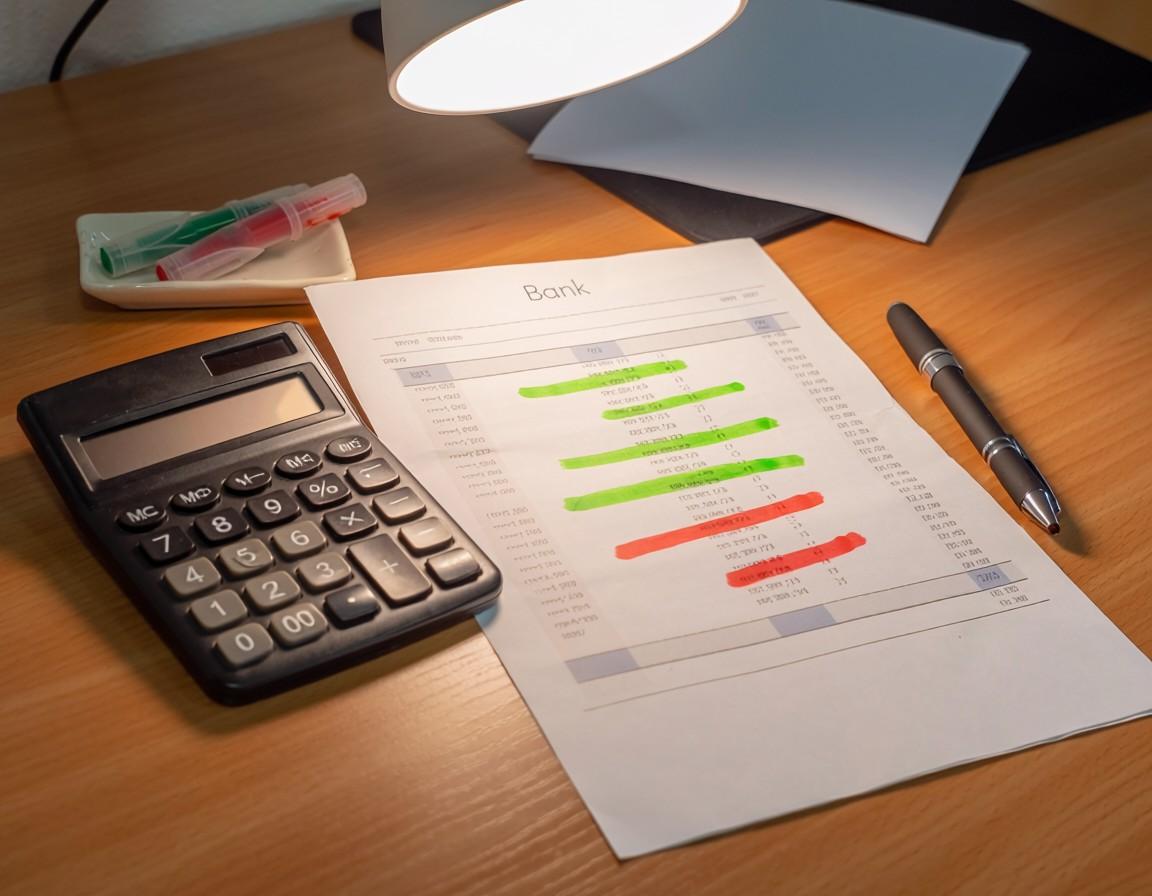
How to check what subscriptions I’m paying for
March 29, 2026
How to Audit Your Subscriptions and Stop Paying for What You Don’t Use
Your subscriptions aren’t small. Added together, they’re one of your biggest monthly expenses and the one you’re least likely to review. The companies charging you know this. Their business model depends on it. Thirty minutes. That’s all it takes to find the waste, cut it, and build a system that stops it coming back. The money you save isn’t theoretical. It’s already leaving your account every month. The only question is whether you’ll look.
learn more

How to organize important documents?
February 27, 2026
How to organize all your important documents in one place
Your documents aren’t just paperwork. They’re the agreements that determine what you pay, what you’re protected against, and what you’re committed to. When they’re scattered, you’re blind. When they’re organised, you’re in control. You don’t need a weekend to fix this. You need one audit, one system, and one decision to stop letting your documents manage you instead of the other way around.
learn more

Is it safe to store documents digitally?
February 27, 2026
Paper vs Digital: The safest way to store your documents in 2026
The question isn’t paper or digital. It’s which combination gives you the safest, most accessible, and most useful system for the documents that run your life. Paper alone is fragile. Email alone is insecure. Cloud alone is passive. The future of document storage is intelligent systems that don’t just hold your files, but read them, protect them, and work for you. The technology exists. The cost is minimal. The only risk is doing nothing and continuing to hope that the important document you need tomorrow is somewhere you can actually find it.
learn more